Culture

Culture

Speak to Children Like They Understand

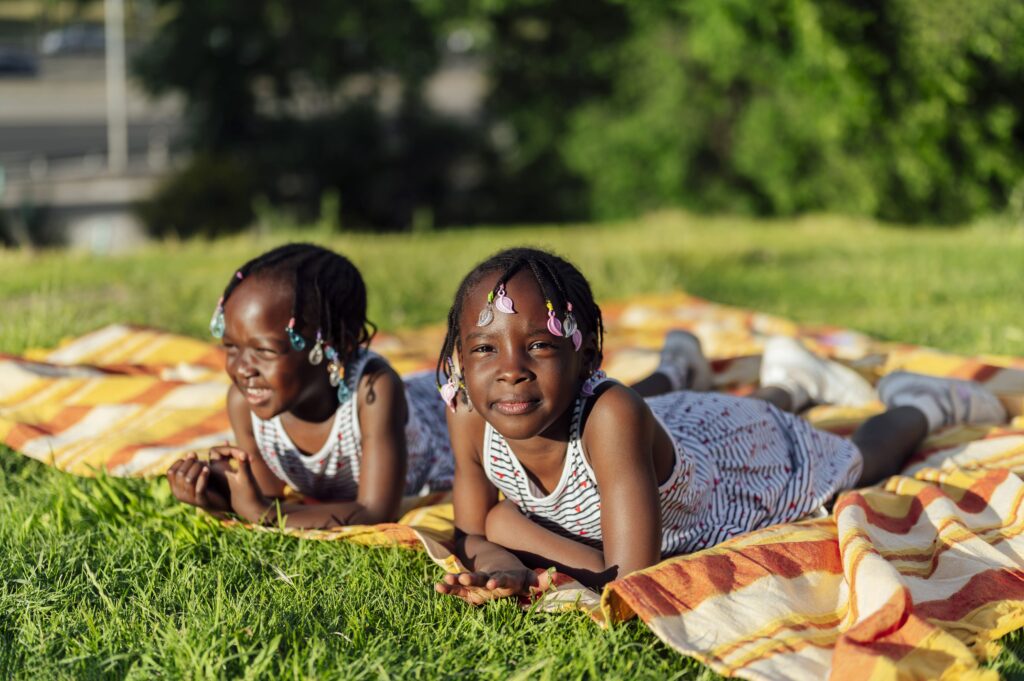
“Children understand far more than we give them credit for.” One thing I have learned from my experience as an administrator at Ocean City School is this: always communicate with children as if you believe they understand. Now, this does not mean using abusive language or speaking to them in ways that are not age-appropriate. It simply means communicating with them respectfully, intentionally, and constructively. At the end of the day, children are humans too — this is simply a stage of their lives. This realization has honestly been one of the most interesting parts of my journey working closely with children. At Ocean City School, all of us contribute practically in different ways, so I have had the opportunity to be deeply involved with the children daily. As a man and someone who hopes to have a family one day, I genuinely see this environment as a beautiful training ground for life. One thing I find fascinating is that many people only begin to fully communicate with children once they start talking. But if you pay close attention, you will realize that even before children can speak, they are still incredibly responsive. They identify objects.They point to what they want.They express discomfort.They react emotionally.They follow patterns.They even help with simple tasks surprisingly early. And honestly, what should we expect? They are humans. I sometimes think many people know this subconsciously, but they do not fully sit in the reality of it. Because of that, children are often spoken to in ways that underestimate how aware, observant, and emotionally responsive they already are. The moment you truly accept that children are developing individuals, you begin to notice how intelligent and observant they naturally are. You start seeing potential in them much earlier, and suddenly the little things they do become far more impressive. Modern child development research actually supports this idea strongly. The Harvard Center on the Developing Child explains that responsive back-and-forth interaction with children helps shape brain development, emotional growth, and language skills — even before children can properly speak. Maria Montessori also once said: “The infant in arms has far greater mental energies than are usually imagined.” And honestly, I believe that completely. Sometimes I am amazed by how naturally intelligent children already come into this world. Imagine how difficult it can be for an adult to intentionally learn a new language, yet children unintentionally pick up two or three languages simply by being present around people. Very annoying sometimes — in a good way, hahaha — but also incredibly impressive. Another funny example happened during one vacation period. A parent called me dramatically and said: “Mr Edward, what are you people teaching the kids at the school?” I froze immediately. My mind started racing because I genuinely thought something terrible had happened. Then she suddenly burst out laughing and explained that the kind of words their three-year-old had started using at home were unbelievable. The word that shocked them most was: “Actually.” At that moment, I honestly suspected I might be responsible because I use that word a lot around the children. Hahaha. The relief and joy I felt afterward was incredible because what I feared would be a complaint ended up becoming one of the sweetest compliments. But that moment also reminded me of something important:children are always listening. Adults sometimes underestimate how much children absorb simply by being around us. They are constantly observing tone, emotions, reactions, habits, and vocabulary. That is why communication around children matters so much. Be mindful.Be respectful.Be constructive. I honestly believe people grow into how they are treated. At Ocean City School, we believe respectful communication is part of helping children grow confidently into themselves. The goal is not simply to “manage” children, but to understand that they are already becoming people with personalities, emotions, intelligence, and potential. Now, at every stage, remember:they are humans, they are growing, and they are constantly becoming. Never underestimate your child because of their age. Grow with them. Speak to them with intention. Respect their emotions. Encourage their curiosity. You may be surprised by just how much they understand — and even more amazed by who they eventually become. Children may be small, but they are never empty. They are always listening, always learning, and always becoming.
Culture

How It All Started

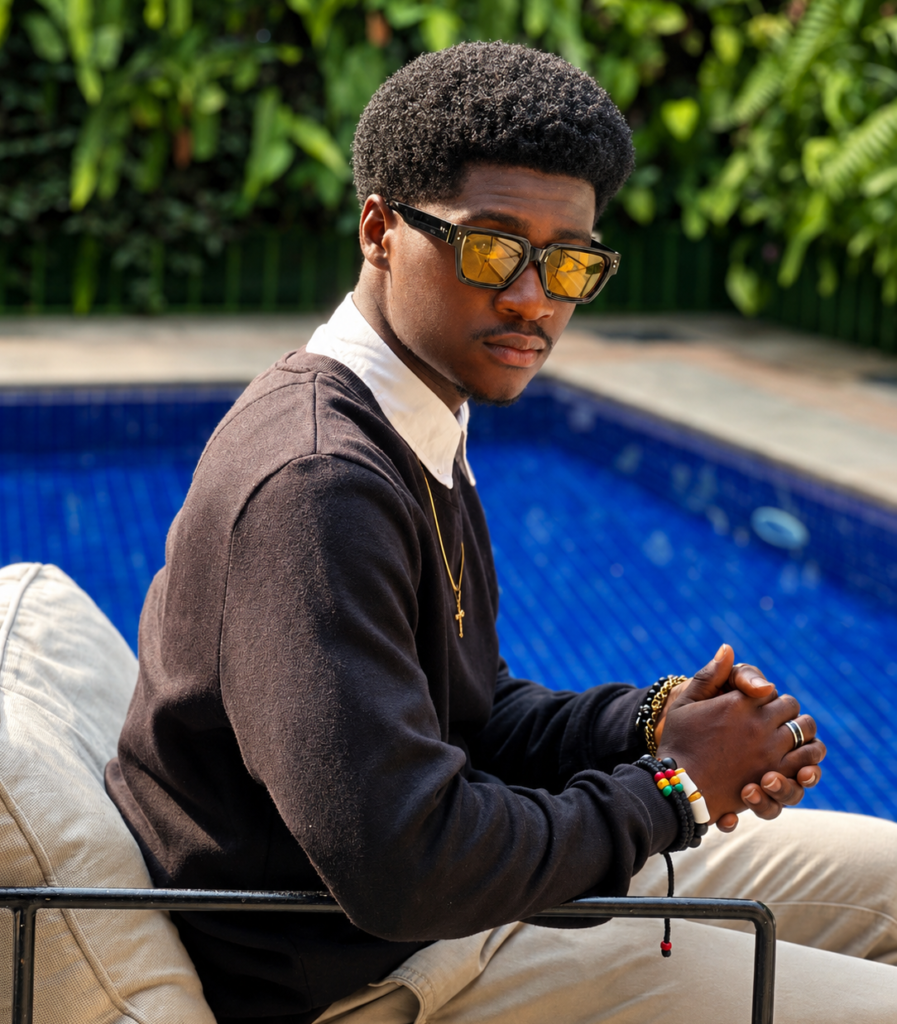
Sometimes, all it takes is one simple question. In late 2020, after months of quarantine in Ghana due to COVID-19, life was slowly beginning to feel normal again. Schools had reopened, and we were finally back on campus trying to settle into routines that had been interrupted for months. Somewhere around October or November, a very good friend and pastor of mine, Mr. Moses Batuta Suyini, asked me a question that would quietly change my life. “Eddy, aren’t you going to do anything on the internet? Entertainment-related or something?” It sounded simple, but it stayed with me. Moses had played a huge role in my personal development journey, so I never took his words lightly. The question followed me throughout the semester. I kept thinking about it deeply. Honestly, I have always been someone who reflects a lot. I ponder things carefully before acting on them. Then during vacation, sometime after Christmas, the thought returned again — but this time differently. I was no longer just thinking about whether I should start something. My mind had shifted to: “What exactly am I going to do?” And then, suddenly, the idea came. I still remember the relief that followed. A new semester was approaching, and funny enough, part of me felt pressured to figure something out before returning to school and facing my pastor again. But beyond that pressure, there was also genuine excitement because throughout that entire period, I had been praying and expecting direction. When the idea finally came, I did what any young boy with supportive parents would do — I sat them down and spoke to them about it. They were not surprised. I had always loved media in one way or another. I enjoyed sharing photos, videos, moments, and creativity online. But this time felt different. This was no longer random posting or casual fun. It felt intentional. Very early on, I realized something important: if I wanted to become a content creator, I needed to learn how to edit videos myself. I knew I would not have a big team around me. I had to become my own camera operator, editor, creative director, and producer all at once. So I started researching. I watched tutorials, studied editing styles, practiced endlessly, and trained myself almost like a soldier preparing for war. I moved like a one-man company before I even understood what a media company truly was. At the time, my original vision was actually YouTube. I was heavily inspired by long-form creators, and my idea centered around documenting and sharing “first experiences.” I wanted to experience things for the first time and bring people along emotionally through storytelling. There was only one problem. I was using a Tecno Camon 11 Pro. As much as I appreciated the phone, I knew it would struggle to handle the kind of content I envisioned. So instead of waiting endlessly for perfect conditions, I decided to start somewhere simpler. TikTok. At the time, TikTok was exploding globally. The app felt easier, lighter, and more accessible, so I began studying it seriously. I researched the algorithm, trends, audience behavior, and consistency strategies. Even after all that learning, it still took me nearly six months to truly find myself creatively. In the beginning, I was simply experimenting. Trends, dances, random ideas — anything that helped me understand the platform better. The “first experiences” idea temporarily took a back seat because, in my mind, that belonged to YouTube. Then eventually, something clicked. Music. More specifically, I found my own unique way of expressing music through content. The facial expressions, the timing, the emotion, the zoom-ins — it became something people connected with naturally, and suddenly growth started happening. Around this same period, I transitioned to using an iPhone 8 Plus after my first iphone ever unexpectedly stopped working completely and this was just a month apart. My parents supported me once again, and looking back, I genuinely appreciate how much they believed in me throughout the journey. But even as the music content grew, another side of me remained present. Food. Food had always been part of my life. I loved cooking, trying new meals, exploring experiences around food, and even the few “first experience” episodes I managed to create on YouTube often revolved around food in one way or another. Slowly, I began realizing that both storytelling through music and storytelling through experiences could exist together. Looking back now, it all feels surreal. What started from one simple question eventually became a five-year journey filled with creativity, uncertainty, growth, mistakes, consistency, faith, relationships, and discovery. On 11th February 2021, I posted my first ever TikTok video. Five years later, there are countless stories behind everything that followed — some funny, some difficult, some beautiful, and many still unfolding. And honestly, this is only the beginning.

Culture

Ghana Must End Dangerous Gun Displays at Cultural Events

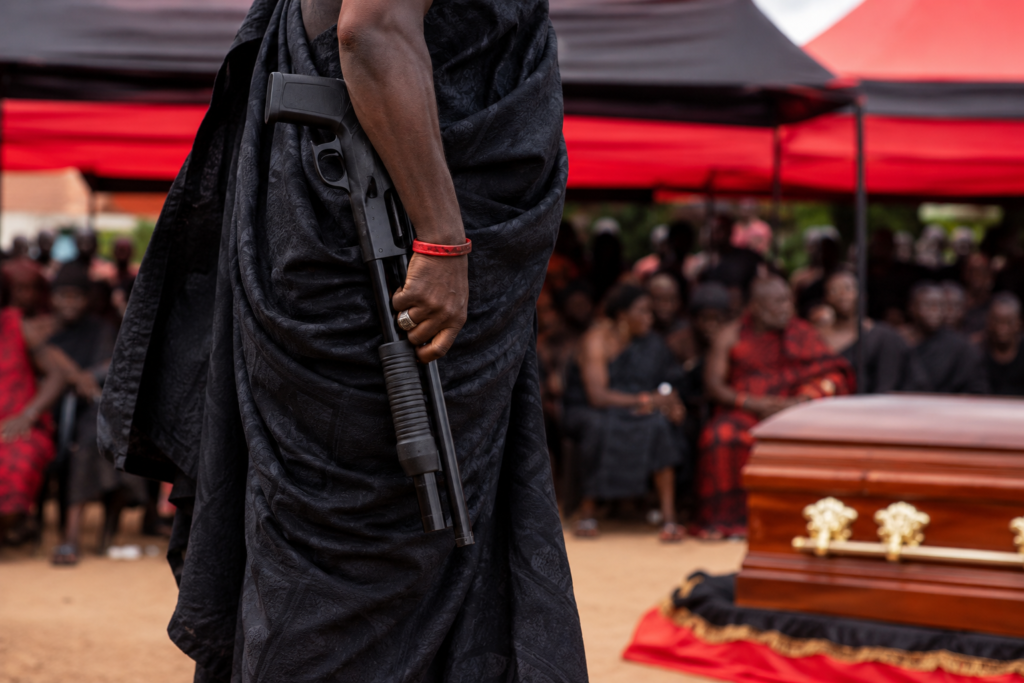
A Tragic Incident That Raises Serious Questions The tragic death of Nana Kwabena Okyere, the Mmratehene of Ayanfuri in the Central Region, during a funeral ceremony has once again exposed a dangerous practice that Ghana can no longer ignore. According to reports and widely circulated video footage, the chief accidentally shot himself while dancing with what appeared to be a pump action gun during a traditional display at a funeral on May 9, 2026. The incident has shocked many Ghanaians and reignited debate about the reckless use of firearms at cultural gatherings, funerals, festivals, and traditional ceremonies across the country. A Pattern of Preventable Deaths and Injuries Sadly, this is not an isolated incident. Over the years, Ghana has witnessed numerous cases of accidental shootings, injuries, and deaths resulting from the irresponsible handling of firearms at public ceremonies. In Obuasi, a chief was reportedly injured by a stray bullet during a funeral ceremony. In the Eastern Region, a woman lost her life after being struck by a bullet during funeral activities. Other events across the country have left civilians and even security personnel injured during uncontrolled gunfire displays. Each time such incidents occur, there is temporary public outrage, but little lasting action follows. Meanwhile, the practice continues unchecked. A Growing Threat to Ghana’s Tourism Image The reality is that this does not bode well for Ghana’s image as a modern tourism and cultural destination. Ghana has spent decades positioning itself as the Gateway to Africa, a peaceful and welcoming country rich in culture, history, hospitality, and heritage tourism. Thousands of visitors travel to Ghana each year to experience festivals, royal ceremonies, traditional rites, music, food, fashion, and historical landmarks. Tourists come to understand and appreciate our culture, not to witness dangerous displays involving loaded weapons and live ammunition. Why Gun Displays Have No Place in Modern Cultural Expression In the twenty first century, bringing loaded guns to crowded cultural events to show off is simply unacceptable and must be banned with immediate effect. Culture should evolve with society, especially where public safety is concerned. There is nothing authentically African about modern firearms. The guns being displayed at these events are not traditional African inventions or symbols of indigenous identity. Most of these weapons originated through colonial influence, warfare, and foreign trade. Ghanaian culture existed long before modern firearms arrived on the continent. Celebrating What Truly Defines Ghanaian Culture What makes Ghanaian culture beautiful and globally attractive is not gunfire. It is our drumming, dancing, kente, storytelling, language, regalia, food, music, festivals, and the warmth of our people. These are the experiences tourists travel across the world to enjoy. No tourist wants to attend a funeral or festival wondering whether a stray bullet could end their life. A Call for Stronger Policy and Institutional Action This issue must therefore be treated not only as a public safety concern, but also as a national tourism and cultural policy issue. Ghana cannot aspire to become a world class tourism destination while permitting uncontrolled firearm displays at public events. The Ministry of Tourism, the Ministry of Interior, the National House of Chiefs, local authorities, and security agencies must work together to modernize these practices before more lives are lost and more damage is done to Ghana’s international reputation. Regulation, Licensing, and Accountability Are Essential If certain communities insist on maintaining ceremonial gun traditions, then such practices must be strictly regulated. Only licensed ceremonial handlers should be permitted to participate, and the use of live ammunition at public cultural events should be prohibited entirely. There must also be strict legal consequences for negligence resulting in injury or death. The Danger of Normalizing Preventable Tragedies The most dangerous part of this growing problem is normalization. As these incidents continue to occur, society gradually begins to accept preventable tragedies as part of tradition. That mindset is deeply dangerous. No culture should place human life at unnecessary risk in the name of ceremony or entertainment. A Defining Moment for Ghana’s Cultural Future Ghana stands at an important crossroads. The country has enormous tourism potential and remains one of Africa’s most respected cultural destinations. However, preserving culture does not mean refusing to reform dangerous practices. True cultural leadership means protecting both heritage and human life. Tradition Must Evolve to Protect Life Our traditions should inspire admiration, pride, and curiosity, not fear and tragedy. The time has come for Ghana to end dangerous gun displays at cultural events once and for all.

Business, Culture, Diaspora, Tourism

Reclaiming Africa Through Tourism and Storytelling

Africa’s Greatest Untapped Resource Is Its Story Africa’s greatest untapped resource may not be gold, oil, cocoa, diamonds, or lithium; it may well be its story. For decades, the global narrative about Africa has too often been shaped by poverty, political instability, conflict, corruption, and dependency. Yet beneath those headlines lies one of the most culturally rich, naturally beautiful, historically significant, and spiritually powerful regions on earth. Ghana and Africa possess extraordinary tourism potential capable of transforming economies, creating millions of jobs, preserving culture, attracting investment, and redefining Africa’s place in the global imagination. The challenge has never been a lack of beauty, culture, or opportunity. The challenge has been storytelling, positioning, infrastructure, and vision. Ghana’s Historic Role in Africa’s Liberation and Identity Ghana occupies a unique place in Africa’s tourism and cultural renaissance. As the first Sub Saharan African country to gain independence under the leadership of Dr. Kwame Nkrumah in 1957, Ghana became the symbol of African liberation and Pan African consciousness. Nkrumah’s vision extended far beyond political independence; he envisioned an Africa that was united, proud, economically empowered, culturally confident, and globally respected. Today, Ghana once again has the opportunity to lead another liberation movement; not political liberation this time, but the liberation of Africa’s image, tourism economy, cultural identity, and global influence. Encouragingly, the spirit of Pan African leadership that defined the Nkrumah era is beginning to reemerge across the continent through a new generation of African voices and leadership. A New Wave of Pan-African Leadership and Cultural Awakening Ghana’s current President, H.E. John Dramani Mahama, has increasingly positioned himself among those championing Africa’s dignity, historical justice, and global relevance. His recent support for international recognition of the transatlantic slave trade and slavery as among the gravest crimes against humanity reflects a renewed Pan African awakening reminiscent of the ideals championed by Dr. Kwame Nkrumah decades ago. The overwhelming support for related resolutions at the United Nations signals that Africa’s historical experiences and contributions can no longer be ignored in global discourse. Across the continent, a new generation of African leadership is once again rallying Africa to rise with confidence, unity, and purpose. At KenteSplash Media Corporation and E.D.Y Media Ltd, we see ourselves as part of that movement; committed to telling the story of the new Africa: bold, creative, resilient, globally relevant, and ready to reclaim its rightful place on the world stage. Ghana as Africa’s Premier Tourism and Cultural Gateway Ghana possesses all the ingredients necessary to become Africa’s premier tourism and cultural gateway. From the historic Cape Coast and Elmina Castles that tell the painful yet important story of the transatlantic slave trade, to the breathtaking Kakum National Park canopy walkway, the Volta Lake, Mole National Park, Wli Waterfalls, Mountain Afadjato, and the beautiful landscapes of the Eastern and Volta Regions, Ghana’s natural and historical attractions are immense. The country’s rich festivals such as Homowo, Hogbetsotso, Odwira, Chale Wote, and Aboakyir, coupled with its globally influential music, fashion, dance, art, and food culture, present enormous opportunities for tourism growth. Ghana’s political stability and reputation as one of Africa’s friendliest destinations further strengthen its appeal as the “Gateway to Africa.” The Economic Impact of “Year of Return” and “Beyond the Return” The success of initiatives such as the “Year of Return” and “Beyond the Return” demonstrated the enormous economic and emotional power of tourism storytelling. According to the Ghana Tourism Authority and the Ministry of Tourism, these initiatives generated hundreds of millions of dollars in economic activity while reconnecting thousands from the African diaspora to the continent. Yet this only scratched the surface of what is possible if tourism, culture, entertainment, and development are strategically positioned together. Africa’s Tourism Potential and Global Underperformance Africa remains one of the world’s most underexploited tourism frontiers despite possessing some of the greatest tourism assets on earth. The continent is home to the Sahara Desert, Victoria Falls, the Serengeti, the pyramids of Egypt, gorilla trekking in Rwanda and Uganda, Zanzibar’s beaches, Ethiopia’s ancient Christian heritage, South Africa’s wine regions, and countless cultural and ecological treasures. The United Nations World Tourism Organization has consistently identified tourism as one of the fastest growing sectors capable of driving employment, foreign exchange, and sustainable development in emerging economies. Yet Africa still receives a disproportionately small share of global tourism revenue relative to its immense potential. The Problem of Narrative Control and Media Imbalance One major reason for this underperformance is that Africa has allowed others to tell its story. For decades, African media ecosystems have been overwhelmingly dominated by political reporting, partisan and tribal commentary, elections, scandals, and conflict driven narratives, often at the expense of development journalism, tourism promotion, cultural storytelling, and nation branding. African media has been used to divide, attack political opponents or persons we disagree with, and bring down personalities and their businesses instead of promoting a developmental agenda. While politics is important in every democracy, an excessive fixation on politics can unintentionally suppress narratives that build economies, inspire investment, attract tourists, and promote national pride. Lessons from Global Tourism Powerhouses Many African countries have also underinvested in tourism infrastructure, destination branding, hospitality standards, travel storytelling, and creative economies. Meanwhile, countries such as Dubai, Singapore, Thailand, and even Rwanda have demonstrated how strategic storytelling, coordinated branding, infrastructure development, and hospitality culture can transform global perception and attract millions of visitors annually. Tourism is not merely about beaches and hotels; it is fundamentally about perception and experience. People travel to stories before they travel to destinations. KenteSplash and E.D.Y Media: A Pan-African Storytelling Movement This is where KenteSplash and E.D.Y Media Ltd enter the conversation. Our partnership represents more than media platforms; it is a Pan African movement aimed at repositioning Ghana and Africa on the global stage through powerful storytelling, tourism promotion, entertainment, culture, lifestyle, food, business, and developmental journalism. Just as Dr. Kwame Nkrumah championed political liberation and Pan African unity, KenteSplash and E.D.Y Media seek to champion the opening of Africa as a destination of

Culture, Entertainment, Tourism

Inside the African Cinema Boom

African cinema is in the middle of a structural shift. Production budgets are climbing, streaming platforms are commissioning original series, and a generation of directors is being given resources their predecessors could only dream of. But the boom is uneven. Distribution remains a bottleneck. Talent retention is a constant fight against Hollywood and London. And the question of who actually owns African stories, and the IP they generate, has never been more urgent. We break down the business of the boom: who is winning, who is being left out, and what the next five years could look like.

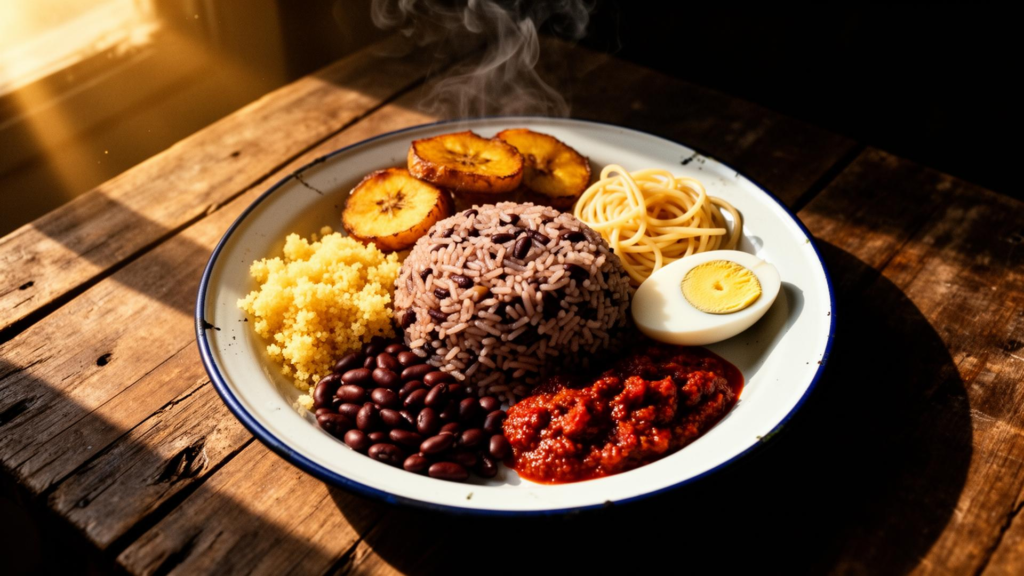
Waakye food
Culture, Diaspora, Tourism

The Road to Paga: An Unexpected Journey

The road north from Accra is long, and most travellers never take it past Kumasi. That is a mistake. Paga, on the border with Burkina Faso, is famous for its sacred crocodile ponds. But the real story of the journey is everything in between, the towns, the food, the languages, the landscapes that shift as you climb the country. This is a travel essay for anyone who believes the best stories are the ones you find when you keep going.

Scroll to Top