
Business

Agriculture, Business

Agribusiness Is Africa’s Path to Economic Freedom

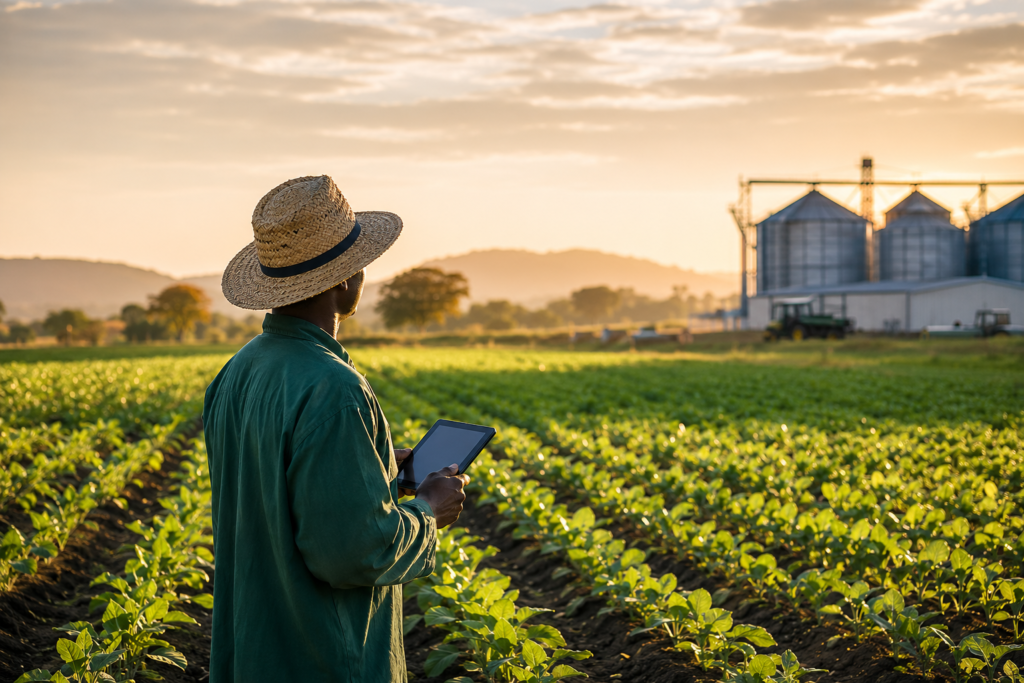
Africa’s Agricultural Paradox: Abundance Without Prosperity Africa stands at the threshold of one of the greatest economic opportunities in modern history, yet the continent continues to underperform in the very sector where it possesses its greatest natural advantage: agriculture. With nearly 60 percent of the world’s uncultivated arable land, favorable climatic conditions, abundant water resources, and a youthful labor force, Africa should be feeding the world, driving global commodity markets, creating millions of jobs, and commanding enormous influence within the global economy. Instead, many African nations remain trapped in poverty, food insecurity, unemployment, and dependence on foreign aid despite being producers of some of the world’s most valuable agricultural commodities. The Netherlands vs Africa: A Lesson in Value Creation The paradox is difficult to ignore. A country like the Netherlands, with a total land area of just over 4.1 million hectares and arable land far smaller than that of many African countries, consistently ranks among the world’s largest agricultural exporters. In 2024 alone, Dutch agricultural exports exceeded €128 billion through a highly integrated system built on technology, mechanization, greenhouse farming, logistics, research, value addition, branding, and innovation. Meanwhile, countries across Africa, including Nigeria with more than 34 million hectares of arable land and favorable climatic conditions, continue to export mostly raw agricultural commodities while importing expensive finished products derived from the same resources exported from the continent. Despite its enormous agricultural potential, Nigeria’s agricultural exports remain only a fraction of what countries like the Netherlands generate annually. The issue, therefore, is not merely production. The issue is value capture. Africa at the Bottom of Global Agricultural Value Chains Africa has remained largely at the bottom of global agricultural value chains for decades. The continent exports raw cocoa beans while Europe and North America dominate the multi-billion dollar chocolate industry. Africa exports raw cashew nuts while processing, packaging, and branding profits are captured elsewhere. The same pattern exists with rubber, shea butter, coffee, cotton, palm oil, and countless other commodities. African farmers carry the burden of cultivation and production, yet the greatest profits are earned by countries and corporations that process, brand, distribute, and retail the finished products globally. Until Africa shifts from being merely a producer of raw materials to becoming a processor, manufacturer, and exporter of finished agricultural products, the continent will continue to generate wealth for others while millions of its farmers remain trapped in poverty. Cocoa and the Global Chocolate Economy Imbalance This imbalance is perhaps most visible in the cocoa industry. Ghana and Côte d’Ivoire together produce approximately 60 to 70 percent of the world’s cocoa supply, yet most profits from the global chocolate industry are earned outside Africa. African farmers bear the burden of cultivation, climate risks, labor intensity, and fluctuating commodity prices, while multinational processors, manufacturers, retailers, and global brands located mainly in Europe and North America capture most of the value from finished chocolate products. The global chocolate industry is worth well over $100 billion annually, yet many cocoa farmers in West Africa still live below sustainable income levels. The Repeating Pattern Across African Commodities The same pattern exists across numerous agricultural sectors. Africa exports raw cashew nuts while countries like Vietnam and India dominate global cashew processing and packaging. Africa exports raw rubber while others manufacture tires and industrial products. Shea nuts leave the continent in bulk while multinational cosmetic companies generate enormous profits from shea butter-based beauty products. Coffee, cotton, palm oil, sesame, tropical fruits, tea, and countless other commodities follow the same structure: Africa produces; others process, brand, distribute, and profit. The Economic Cost of Staying at the Bottom For decades, Africa has remained largely at the bottom of global agricultural value chains. This model limits job creation, suppresses industrialization, weakens currencies, and leaves African economies vulnerable to commodity price volatility. It also deprives the continent of the negotiating power that comes from controlling finished goods, global brands, logistics systems, and processing industries. From Agriculture to Agribusiness: Africa’s Real Transformation Path The future of Africa therefore depends not merely on producing more agriculture, but on transforming agriculture into agribusiness. The difference between agriculture and agribusiness is the difference between survival and prosperity. Agriculture alone produces crops. Agribusiness creates industries, factories, exports, brands, research institutions, logistics networks, financial systems, and employment ecosystems around those crops. Building Integrated Agricultural Value Chains Africa’s transformation will require a deliberate shift from exporting raw commodities toward building integrated agricultural value chains. Instead of exporting raw cocoa beans, African countries must process cocoa into butter, powder, chocolate, beverages, cosmetics, and pharmaceutical ingredients. Instead of exporting raw cashews, Africa must dominate shelling, roasting, packaging, branding, and retail distribution. Instead of exporting raw produce with little shelf life, the continent must invest in food processing, cold storage, agro industrial parks, and export-oriented manufacturing. The Economic Power of Agribusiness Development The economic benefits of such transformation would be enormous. Agribusiness has the capacity to create millions of jobs across farming, logistics, warehousing, transportation, manufacturing, packaging, retail, research, finance, technology, and exports. It would strengthen rural economies, reduce migration pressures on cities, improve food security, expand foreign exchange earnings, and reduce dependence on imports. More importantly, it would create wealth within Africa instead of exporting wealth abroad. Technology as the Engine of Agricultural Transformation Africa’s agricultural future must also be technology driven. Modern agriculture is no longer dependent solely on rainfall and manual labor. Countries that dominate global agriculture today leverage irrigation systems, mechanization, artificial intelligence, biotechnology, data analytics, drones, climate smart farming, digital marketplaces, and supply chain management systems. Research increasingly shows that technology adoption can significantly improve agricultural productivity and efficiency across Africa. If properly harnessed, technology can help African farmers improve yields, reduce post-harvest losses, access markets directly, obtain financing, and compete globally. Infrastructure: The Missing Foundation Infrastructure is another critical piece of the puzzle. One of the biggest barriers to African agricultural competitiveness remains poor roads, inadequate storage facilities, unreliable electricity, weak transport systems, and limited access to ports and logistics networks. In many African

Business, Culture, Diaspora, Tourism

Reclaiming Africa Through Tourism and Storytelling

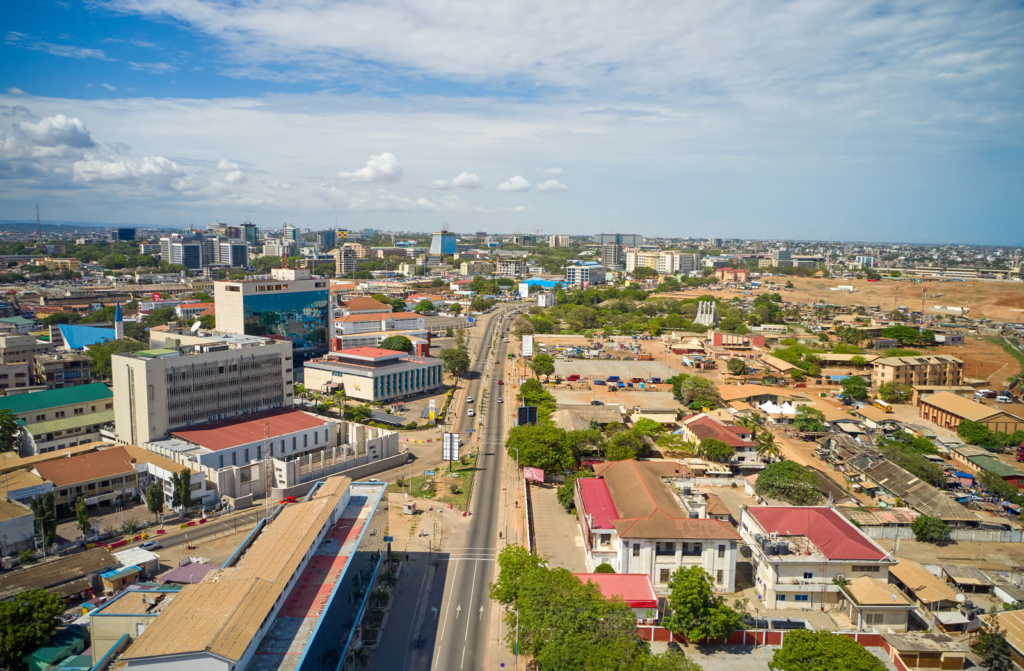
Africa’s Greatest Untapped Resource Is Its Story Africa’s greatest untapped resource may not be gold, oil, cocoa, diamonds, or lithium; it may well be its story. For decades, the global narrative about Africa has too often been shaped by poverty, political instability, conflict, corruption, and dependency. Yet beneath those headlines lies one of the most culturally rich, naturally beautiful, historically significant, and spiritually powerful regions on earth. Ghana and Africa possess extraordinary tourism potential capable of transforming economies, creating millions of jobs, preserving culture, attracting investment, and redefining Africa’s place in the global imagination. The challenge has never been a lack of beauty, culture, or opportunity. The challenge has been storytelling, positioning, infrastructure, and vision. Ghana’s Historic Role in Africa’s Liberation and Identity Ghana occupies a unique place in Africa’s tourism and cultural renaissance. As the first Sub Saharan African country to gain independence under the leadership of Dr. Kwame Nkrumah in 1957, Ghana became the symbol of African liberation and Pan African consciousness. Nkrumah’s vision extended far beyond political independence; he envisioned an Africa that was united, proud, economically empowered, culturally confident, and globally respected. Today, Ghana once again has the opportunity to lead another liberation movement; not political liberation this time, but the liberation of Africa’s image, tourism economy, cultural identity, and global influence. Encouragingly, the spirit of Pan African leadership that defined the Nkrumah era is beginning to reemerge across the continent through a new generation of African voices and leadership. A New Wave of Pan-African Leadership and Cultural Awakening Ghana’s current President, H.E. John Dramani Mahama, has increasingly positioned himself among those championing Africa’s dignity, historical justice, and global relevance. His recent support for international recognition of the transatlantic slave trade and slavery as among the gravest crimes against humanity reflects a renewed Pan African awakening reminiscent of the ideals championed by Dr. Kwame Nkrumah decades ago. The overwhelming support for related resolutions at the United Nations signals that Africa’s historical experiences and contributions can no longer be ignored in global discourse. Across the continent, a new generation of African leadership is once again rallying Africa to rise with confidence, unity, and purpose. At KenteSplash Media Corporation and E.D.Y Media Ltd, we see ourselves as part of that movement; committed to telling the story of the new Africa: bold, creative, resilient, globally relevant, and ready to reclaim its rightful place on the world stage. Ghana as Africa’s Premier Tourism and Cultural Gateway Ghana possesses all the ingredients necessary to become Africa’s premier tourism and cultural gateway. From the historic Cape Coast and Elmina Castles that tell the painful yet important story of the transatlantic slave trade, to the breathtaking Kakum National Park canopy walkway, the Volta Lake, Mole National Park, Wli Waterfalls, Mountain Afadjato, and the beautiful landscapes of the Eastern and Volta Regions, Ghana’s natural and historical attractions are immense. The country’s rich festivals such as Homowo, Hogbetsotso, Odwira, Chale Wote, and Aboakyir, coupled with its globally influential music, fashion, dance, art, and food culture, present enormous opportunities for tourism growth. Ghana’s political stability and reputation as one of Africa’s friendliest destinations further strengthen its appeal as the “Gateway to Africa.” The Economic Impact of “Year of Return” and “Beyond the Return” The success of initiatives such as the “Year of Return” and “Beyond the Return” demonstrated the enormous economic and emotional power of tourism storytelling. According to the Ghana Tourism Authority and the Ministry of Tourism, these initiatives generated hundreds of millions of dollars in economic activity while reconnecting thousands from the African diaspora to the continent. Yet this only scratched the surface of what is possible if tourism, culture, entertainment, and development are strategically positioned together. Africa’s Tourism Potential and Global Underperformance Africa remains one of the world’s most underexploited tourism frontiers despite possessing some of the greatest tourism assets on earth. The continent is home to the Sahara Desert, Victoria Falls, the Serengeti, the pyramids of Egypt, gorilla trekking in Rwanda and Uganda, Zanzibar’s beaches, Ethiopia’s ancient Christian heritage, South Africa’s wine regions, and countless cultural and ecological treasures. The United Nations World Tourism Organization has consistently identified tourism as one of the fastest growing sectors capable of driving employment, foreign exchange, and sustainable development in emerging economies. Yet Africa still receives a disproportionately small share of global tourism revenue relative to its immense potential. The Problem of Narrative Control and Media Imbalance One major reason for this underperformance is that Africa has allowed others to tell its story. For decades, African media ecosystems have been overwhelmingly dominated by political reporting, partisan and tribal commentary, elections, scandals, and conflict driven narratives, often at the expense of development journalism, tourism promotion, cultural storytelling, and nation branding. African media has been used to divide, attack political opponents or persons we disagree with, and bring down personalities and their businesses instead of promoting a developmental agenda. While politics is important in every democracy, an excessive fixation on politics can unintentionally suppress narratives that build economies, inspire investment, attract tourists, and promote national pride. Lessons from Global Tourism Powerhouses Many African countries have also underinvested in tourism infrastructure, destination branding, hospitality standards, travel storytelling, and creative economies. Meanwhile, countries such as Dubai, Singapore, Thailand, and even Rwanda have demonstrated how strategic storytelling, coordinated branding, infrastructure development, and hospitality culture can transform global perception and attract millions of visitors annually. Tourism is not merely about beaches and hotels; it is fundamentally about perception and experience. People travel to stories before they travel to destinations. KenteSplash and E.D.Y Media: A Pan-African Storytelling Movement This is where KenteSplash and E.D.Y Media Ltd enter the conversation. Our partnership represents more than media platforms; it is a Pan African movement aimed at repositioning Ghana and Africa on the global stage through powerful storytelling, tourism promotion, entertainment, culture, lifestyle, food, business, and developmental journalism. Just as Dr. Kwame Nkrumah championed political liberation and Pan African unity, KenteSplash and E.D.Y Media seek to champion the opening of Africa as a destination of

Business

Why Waakye Matters: A National Love Letter

Ask a Ghanaian where to find the best waakye and you will start an argument that may last a lifetime. Jamestown? Tema Station? A specific auntie in Kumasi who only sells until 11am? What makes waakye remarkable is not the recipe, beans, rice, leaves, time, but what it carries. It is one of the few foods that crosses every line in the country: north and south, rich and poor, old and young. This essay is part travelogue, part love letter — a celebration of a dish that quietly does the cultural work most national symbols only pretend to.

Scroll to Top